
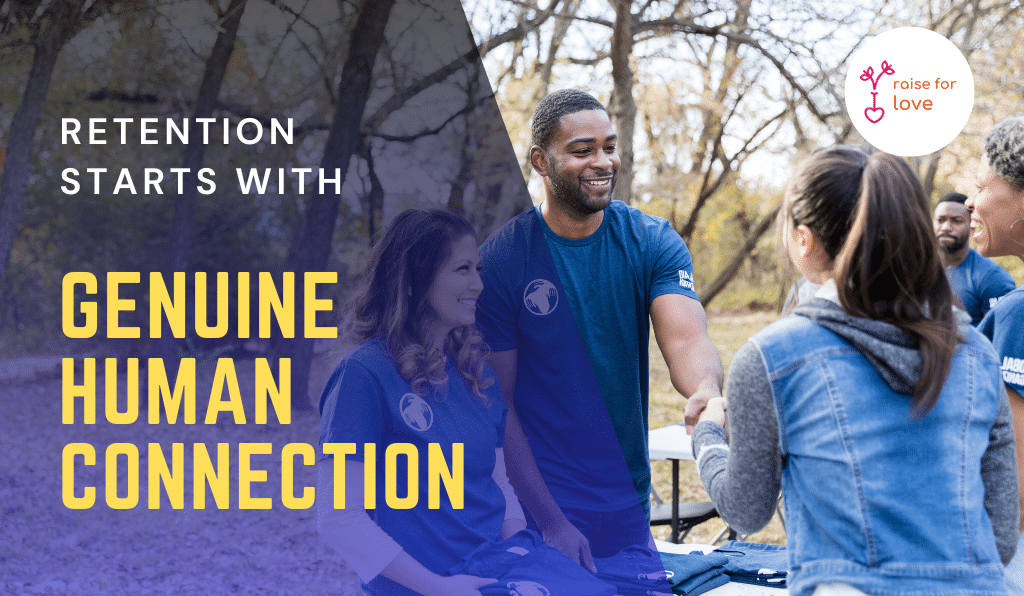

Acquiring new donors can feel like a constant uphill climb — and it’s often expensive. But keeping the donors you already have? That’s where real sustainability lies.
In fact, research from the Fundraising Effectiveness Project shows that the average donor retention rate hovers around 45%, meaning more than half of new donors never give again. Improving that number even slightly can have a huge impact on your nonprofit’s revenue and long-term stability.
Donor retention for nonprofits isn’t about quick wins — it’s about building lasting relationships based on trust, connection, and shared values. Let’s explore strategies that actually work.
Why Donor Retention Matters More Than Acquisition
1. It’s More Cost-Effective
According to Bloomerang, it can cost 5–10 times more to acquire a new donor than to retain an existing one. Plus, retained donors tend to give larger gifts over time.
2. It Builds Stability
Recurring donors create predictable income, making it easier to plan programs and budgets.
3. Loyal Donors Become Advocates
When donors feel connected, they don’t just give — they share your cause, recruit friends, and help expand your reach.
The Key Factors Behind Donor Loyalty
Personal Connection – People give to people, not just causes.
Trust and Transparency – Donors want to see exactly how their money is used.
Recognition and Appreciation – Everyone likes to feel valued.
Consistent Engagement – Staying in touch keeps you top of mind.
Donor Retention Strategies That Work
1. Personalize Every Interaction
Use your donor’s first name in communications.
Reference their past support or interests.
Segment your donor database to tailor messages.
2. Show Impact, Not Just Gratitude
Don’t just say “thank you” — show what their gift accomplished.
Share photos, videos, or stories from the field.
Use impact statements: “Your $50 provided school supplies for 10 students.”
Send follow-up updates months after their gift.
(Check Charity:Water’s donor updates for great examples.)
3. Build a Consistent Communication Calendar
Monthly emails with stories and updates.
Quarterly impact reports.
Personalized holiday cards or birthday messages.
You can manage this with free or low-cost tools like Mailchimp or Constant Contact.
4. Offer Multiple Ways to Engage
Retention isn’t just about giving money. Invite donors to:
Volunteer
Attend events
Join advocacy campaigns
Share your social media content
(For event engagement ideas, see Eventbrite’s nonprofit guide.)
5. Launch a Recurring Giving Program
Monthly donors are more likely to stick around because giving becomes part of their routine.
Offer exclusive updates or perks for monthly supporters.
Promote recurring options on your website and donation forms.
(Learn more from Kindful Designing a Monthly Giving Program)
6. Recognize and Celebrate Donors
Feature donor spotlights in newsletters.
Send handwritten thank-you notes.
Host appreciation events.
Tools to Track and Improve Donor Retention
CRM Platforms – Bloomerang, Kindful, or DonorPerfect
Survey Tools – SurveyMonkey or Google Forms for donor feedback
Analytics – Google Analytics to monitor web engagement
Tracking donor behavior helps you see what’s working and adjust your strategy.
How Raise for Love Helps Nonprofits Keep Donors Engaged
At Raise for Love, we help nonprofits design communications and marketing strategies that put relationships first. Our services include:
Communication Strategy — Messaging that keeps donors connected year-round.
Storytelling and Branding — Emotional narratives that inspire continued support.
Digital Marketing — Campaigns that make it easy for donors to engage.
Project Management — Keeping stewardship campaigns organized and on schedule.
Training via the Raise for Love Academy — Equip your team with donor engagement skills that last.
Quick Wins to Boost Retention This Month
Call 5 donors just to say thank you — no ask.
Post a donor appreciation highlight on social media.
Send a surprise update with a story of impact.
Survey your donors about how they prefer to hear from you.
Final Thoughts: Retention is Relationship-Building
Donor retention for nonprofits isn’t about gimmicks — it’s about genuine relationships. When supporters feel valued and see the change they’re making, they’ll stick around and do even more.
If you’re ready to strengthen your donor relationships and build a loyal base of advocates, explore our services or join a training at the Raise for Love Academy.
FAQs
Q: How often should I contact donors?
Aim for at least once a month with meaningful, relevant updates — not just donation asks.
Q: What’s the average donor retention rate?
Industry averages hover around 45%, but strong stewardship can push it above 60%.
Q: Should I focus on major donors or small donors?
Both matter — small donors can become major donors over time, and both groups deserve consistent engagement.
More to Explore from Raise Academy Blog
Keep the inspiration going—discover more tips, stories, and insights from the Raise Academy blog to help you grow your skills, amplify your message, and make a bigger impact.
Chat GPT – Nivel: Basico (nivel 2) – 4-23-2026
Nivel: Básico (nivel 2) Costo: Gratuito Jueves 23 de abril Evento virtual (zoom) 6:00pm – 8:00pm Cupo limitado Domina los fundamentos y empieza a usar ChatGPT con confianza. Este curso

Por qué aprender IA en español importa más que nunca
La inteligencia artificial está transformando la forma en que trabajamos, aprendemos y nos comunicamos.
Pero hay algo importante que muchas veces se pasa por alto:
No todos están aprendiendo esta tecnología en un idioma que realmente dominan.
Y eso importa más de lo que creemos.

5 Practical Ways to Use AI in Your Daily Work (Even If You’re Not Tech-Savvy)
Artificial intelligence can sound complex.
But in reality, some of the most powerful ways to use AI are also the simplest.
You don’t need a technical background.
You don’t need to understand how it works behind the scenes.
You just need to know where it can help you.
Here are five practical ways you can start using AI in your daily work—starting today.

What Is ChatGPT (Really)? A Simple Guide for Beginners
Artificial intelligence is everywhere right now.
But for many people, it still feels confusing, overwhelming—or even intimidating.
You’ve probably heard of ChatGPT.
Maybe you’ve seen people using it for writing, work, or even business.
But what is it really?
Let’s break it down in the simplest way possible.

Digital Marketing for Nonprofits: Doing More With Less
For many nonprofits, resources are tight — but the need to connect, inspire, and mobilize supporters has never been greater. The good news? Digital marketing levels the playing field, giving mission-driven organizations powerful tools to reach more people without stretching budgets. In this post, we’ll share strategies for doing more with less, so your message gets seen and acted on.

Storytelling That Inspires: How Nonprofits Can Turn Supporters into Advocates
Numbers may show your impact, but stories make people feel it. Great nonprofit storytelling doesn’t just inform — it inspires, motivates, and transforms supporters into advocates.
In this post, we’ll explore how to find, craft, and share stories that make your mission unforgettable.

Why Your Website is Your Most Important Fundraising Tool
Your website isn’t just an online brochure — it’s the heart of your fundraising strategy. With the right design, messaging, and tools, it can turn casual visitors into passionate supporters.
Here’s why a strong nonprofit website design is essential, and how to make yours a powerful fundraising engine.

Why Nonprofits Can’t Afford to Ignore AI (And How to Get Started)
AI is no longer just for tech giants and start-ups — it’s transforming how nonprofits connect with donors, manage projects, and measure impact. From automating repetitive tasks to uncovering new insights, AI can help mission-driven organizations do more with less. Here’s why it matters now more than ever, and how to start.


From Vision to Impact: How Nonprofits Can Harness Creativity, Technology, and Strategy
Nonprofits and mission-driven organizations have no shortage of passion — but passion alone isn’t enough.
In a crowded digital landscape, success comes from blending creativity, technology, and strategy into a communications plan that inspires action. Here’s how you can turn your vision into measurable results.