
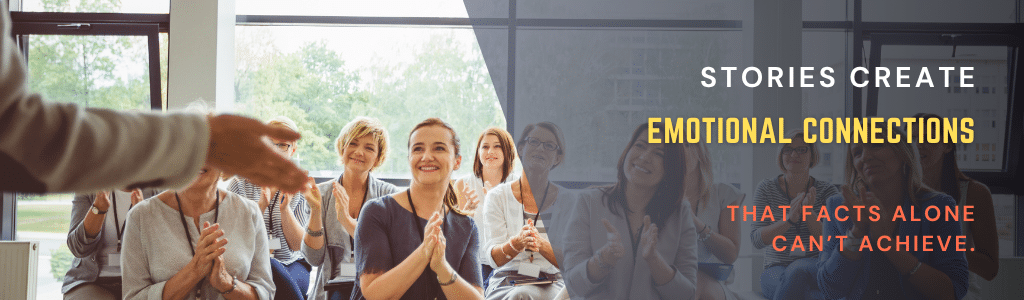
Facts can make people think, but stories make people feel. And when someone feels deeply connected to your mission, they don’t just donate — they talk about you, share your work, and inspire others to get involved.
That’s the magic of nonprofit storytelling. It’s not just about telling a nice story; it’s about crafting a narrative that moves people from passive observers to passionate advocates. In today’s noisy digital landscape, your ability to tell a compelling story could be the difference between a one-time donor and a lifelong supporter.
At Raise for Love, we help mission-driven organizations uncover and share stories that resonate, inspire, and mobilize. Let’s explore how you can do the same.
Why Storytelling Works
1. Stories Make People Care
Research in neuroscience shows that stories activate more areas of the brain than facts alone — especially the parts that process emotions. People might forget your statistics, but they’ll remember how your story made them feel.
2. Stories Build Trust
When you share real, authentic experiences — even the challenges — you show transparency. And transparency builds credibility with donors, volunteers, and partners.
3. Stories Inspire Action
Stories show the human side of your mission. They let supporters see the direct impact of their contributions, which motivates them to do more.
The Elements of a Powerful Nonprofit Story
Not all stories are created equal. A truly impactful story has these elements:
A Relatable Character — Someone your audience can connect with, whether it’s a beneficiary, volunteer, or staff member.
A Challenge or Problem — The reason your organization’s work is needed in the first place.
A Transformation — The change that happened because of your work (and your supporters’ help).
A Clear Call-to-Action — A next step the listener or reader can take to be part of the change.
A Simple Framework: The “Hero’s Journey” for Nonprofits
One of the most effective storytelling structures is the Hero’s Journey. Here’s how it works in a nonprofit context:
Introduce the Hero — This could be a person, community, or cause your organization supports.
Describe the Struggle — Show the obstacles they faced.
Enter the Guide — That’s your nonprofit, offering the tools, support, or resources needed.
The Transformation — Share the outcome, with specific and tangible results.
Invite the Audience — End by inviting supporters to join the journey.
Where to Find Your Stories
Client or Beneficiary Interviews — Ask about their experience before, during, and after your help.
Staff Reflections — Stories from the frontlines of your work can be incredibly moving.
Volunteer Spotlights — Showcase the people who make your mission possible.
Behind-the-Scenes Moments — Candid moments that show your culture and values.
(For inspiration, check out Storytelling for Good.)
How to Share Stories for Maximum Impact
1. Choose the Right Channels
Website blog posts
Social media reels and carousels
Email newsletters
Event speeches or presentations
2. Match the Format to the Story
Short Stories work well on social media or email intros.
Longer Features fit blog posts, annual reports, or videos.
3. Use Visuals and Audio
Images, videos, and even voice recordings make your stories more immersive and memorable.
4. Keep the Supporter In the Story
Always connect the story back to your audience — their role, their impact, and the change they made possible.
How Raise for Love Helps Nonprofits Tell Better Stories
At Raise for Love, we combine branding expertise, communication strategy, and creative execution to help nonprofits share stories that move people to action. Our services include:
Branding — Create a consistent visual and emotional identity for your storytelling.
Content Strategy — Plan when, where, and how to share your stories for maximum reach.
Social Media and Digital Marketing — Adapt your stories for different platforms to engage diverse audiences.
Project Management — Keep your campaigns organized and on schedule.
Training via the Raise for Love Academy — Teach your team storytelling skills they can apply across all communications.
Action Steps You Can Take This Month
Identify 3 stories from the past year that best represent your impact.
Choose one and adapt it for three different formats: blog, social media, and email.
Collect high-quality images or videos to pair with each story.
Add a clear call-to-action to every piece of storytelling content.
Schedule your stories in a content calendar to maintain consistency.
Final Thoughts: Your Story is Your Superpower
In a world where attention is fleeting, your story is what makes people stop, listen, and care. Nonprofit storytelling is more than a marketing tactic — it’s a bridge between your mission and the hearts of the people who can help you achieve it.
If you’re ready to take your storytelling to the next level, we’re here to help. Explore our services or join a live storytelling training at the Raise for Love Academy.
FAQs
Q: What if my nonprofit’s work is sensitive or private?
You can still tell stories while protecting privacy by changing names, using composites, or focusing on generalized narratives.
Q: How often should we share stories?
Aim for at least one per month — more if you have a lot of activity or campaigns.
Q: What if we don’t have a professional writer?
You don’t need one to start. Authenticity matters more than polish, and training can help your team improve quickly.
More of our Content
Chat GPT – Nivel: Basico (nivel 2) – 4-23-2026
Nivel: Básico (nivel 2) Costo: Gratuito Jueves 23 de abril Evento virtual (zoom) 6:00pm – 8:00pm Cupo limitado Domina los fundamentos y empieza a usar ChatGPT con confianza. Este curso

Por qué aprender IA en español importa más que nunca
La inteligencia artificial está transformando la forma en que trabajamos, aprendemos y nos comunicamos.
Pero hay algo importante que muchas veces se pasa por alto:
No todos están aprendiendo esta tecnología en un idioma que realmente dominan.
Y eso importa más de lo que creemos.

5 Practical Ways to Use AI in Your Daily Work (Even If You’re Not Tech-Savvy)
Artificial intelligence can sound complex.
But in reality, some of the most powerful ways to use AI are also the simplest.
You don’t need a technical background.
You don’t need to understand how it works behind the scenes.
You just need to know where it can help you.
Here are five practical ways you can start using AI in your daily work—starting today.
What Is ChatGPT (Really)? A Simple Guide for Beginners
Artificial intelligence is everywhere right now.
But for many people, it still feels confusing, overwhelming—or even intimidating.
You’ve probably heard of ChatGPT.
Maybe you’ve seen people using it for writing, work, or even business.
But what is it really?
Let’s break it down in the simplest way possible.
Donor Retention Strategies That Actually Work
Acquiring new donors is important — but keeping them is where the real impact (and savings) happen. Strong donor retention means your nonprofit can rely on a loyal, engaged base that gives more often, stays involved longer, and becomes an advocate for your mission. In this post, we’ll share donor retention strategies that actually work, from personalized communication to meaningful stewardship.
Digital Marketing for Nonprofits: Doing More With Less
For many nonprofits, resources are tight — but the need to connect, inspire, and mobilize supporters has never been greater. The good news? Digital marketing levels the playing field, giving mission-driven organizations powerful tools to reach more people without stretching budgets. In this post, we’ll share strategies for doing more with less, so your message gets seen and acted on.

Why Your Website is Your Most Important Fundraising Tool
Your website isn’t just an online brochure — it’s the heart of your fundraising strategy. With the right design, messaging, and tools, it can turn casual visitors into passionate supporters.
Here’s why a strong nonprofit website design is essential, and how to make yours a powerful fundraising engine.

Why Nonprofits Can’t Afford to Ignore AI (And How to Get Started)
AI is no longer just for tech giants and start-ups — it’s transforming how nonprofits connect with donors, manage projects, and measure impact. From automating repetitive tasks to uncovering new insights, AI can help mission-driven organizations do more with less. Here’s why it matters now more than ever, and how to start.


From Vision to Impact: How Nonprofits Can Harness Creativity, Technology, and Strategy
Nonprofits and mission-driven organizations have no shortage of passion — but passion alone isn’t enough.
In a crowded digital landscape, success comes from blending creativity, technology, and strategy into a communications plan that inspires action. Here’s how you can turn your vision into measurable results.